Aging Untold: How to find support when trauma resurfaces with age
(Aging Untold) — On this episode of Aging Untold, we explore how trauma can resurface later in life and look at where to find essential support for managing symptoms of post-traumatic stress disorder.
Plus, find out how to make peace with shifting priorities and move forward without guilt when lifelong friendships begin to fade.
Later, meet a dedicated South Carolina volunteer bringing unexpected comfort to hospital waiting rooms through the soothing sounds of her harp.
PTSD doesn’t expire: How trauma resurfaces as we age
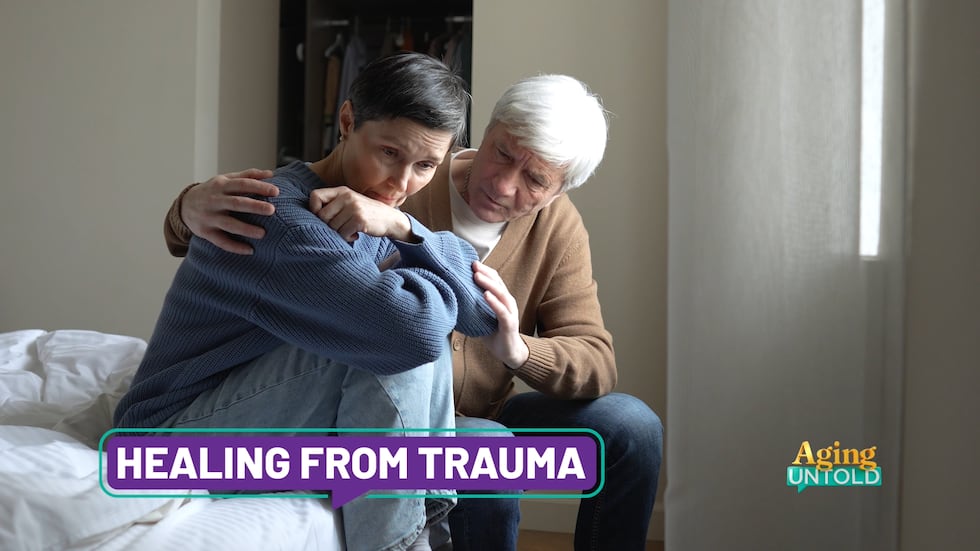
Trauma doesn’t simply fade with time, and symptoms can become more noticeable during major life changes, including retirement, illness or loss.
Dr. Rhea Rogers, a board-certified physician, said trauma does not have to come from something dramatic. It’s an “invisible suffering,” and the body tries to move past something that the brain is not allowing.
The Aging Untold hosts are sharing tips on how therapies, from massage and trauma-informed therapy to service animals, could help.
The breakup nobody talks about: Losing a friend as you age
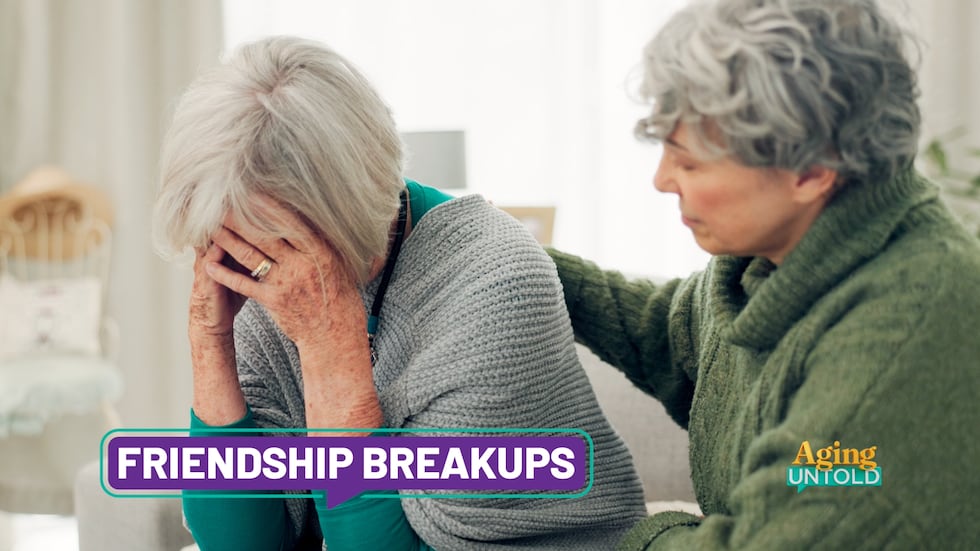
Breaking up with a friend you have had for decades can be as painful as a romantic breakup, but the loss is often grieved in silence.
“Nobody’s bringing you casseroles or sending you flowers usually, and it can be really tough,” aging well coach Katherine Ambrose said.
The Aging Untold hosts are sharing their experiences and how to move forward after a friendship ends.
Shifting mindset — ‘Caregiving is the burden; your loved one is the blessing’
Caregiving can be overwhelming.
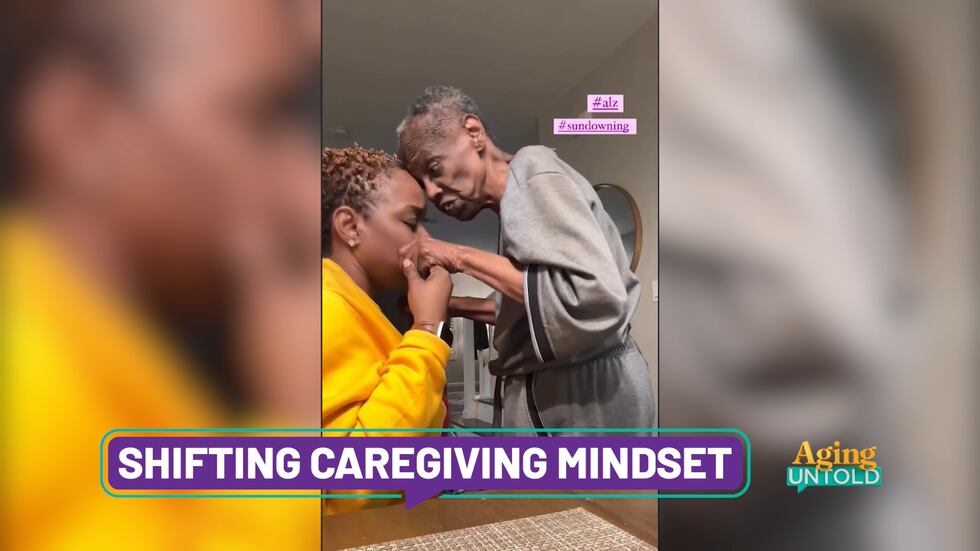
Ty Lewis, a certified dementia practitioner and content creator who cares for her mother, is sharing how a powerful shift in perspective can separate the burden of caregiving from the person receiving the care.
Lewis is a caregiver for her mother, Gertrude, who is in the late stages of Alzheimer’s disease. Her outlook is that the workload is the burden — not the person.
“We have to shift our perspective. The care, that’s the burden, the financial piece, that is the burden. Us not being able to find resources, that’s the burden. But taking care of our loved one, being a servant leader, that is the blessing,” Lewis said.
Find out more about Lewis and her approach to caregiving here.
Volunteer’s harp music brings calm to hospital waiting room
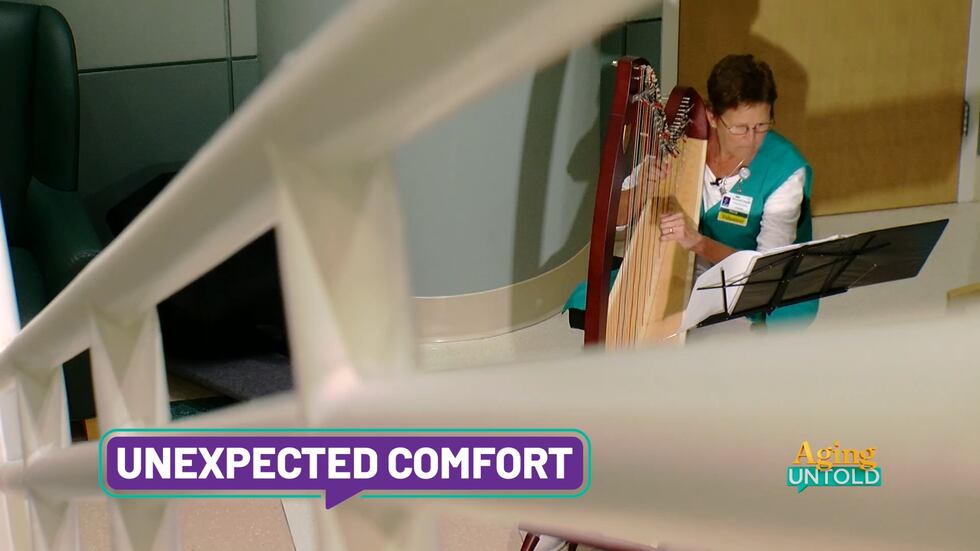
Peg Mann fills the waiting room at McLeod Seacoast Hospital in Myrtle Beach, South Carolina, with gentle notes of harp music.
She is a hospital volunteer and her music provides soft, calming sounds over the monitors and footsteps.
She begins her shift by escorting patients and pushing the comfort cart before setting up to play for patients and families waiting for answers.
This program is provided for educational and informational purposes only and does not constitute providing medical advice or professional services. The information provided should not be used for diagnosing or treating a health problem or disease, and those seeking personal medical advice should consult with a licensed physician. Always seek the advice of your doctor or other qualified health provider regarding a medical condition. Never disregard professional medical advice or delay in seeking it because of something you have seen on this program. If you think you may have a medical emergency, call 911 or go to the nearest emergency room immediately. No physician-patient relationship is created by this program or its use. Aging Untold/Gray Media, nor its employees, contractors or agents, nor any contributor to this program, makes any representations, express or implied, with respect to the information provided herein or to its use.
Copyright 2026 Gray Media Group, Inc. All Rights Reserved.